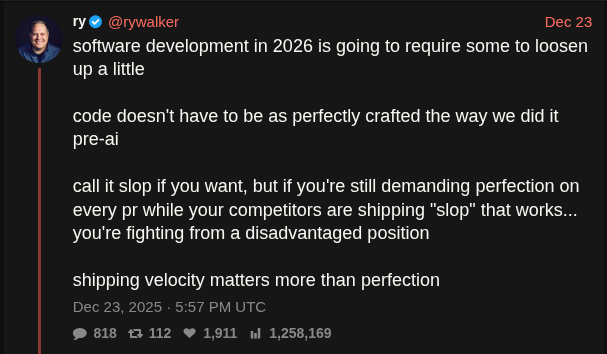
Do you want a CVE? Because this is how you get a CVE.
1
Do you want a CVE? Because this is how you get a CVE.
@atoponce
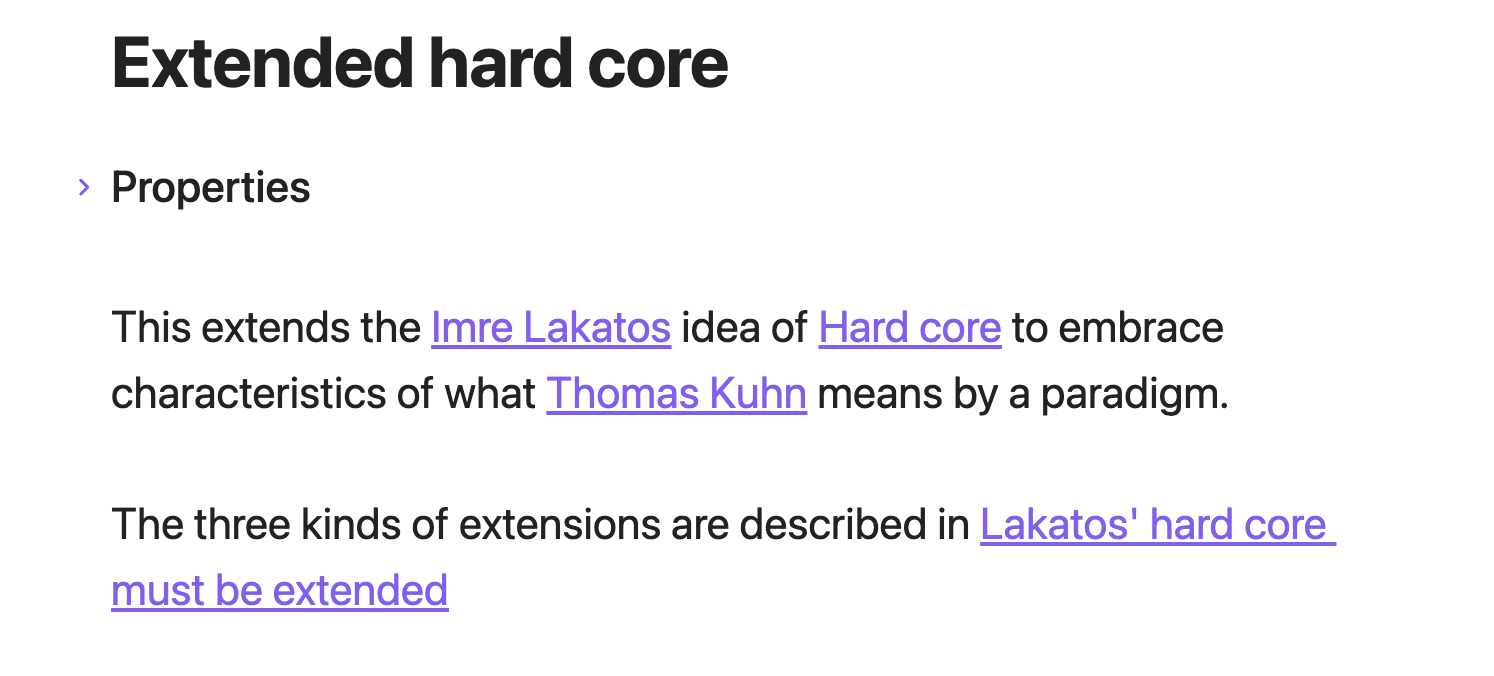
¹ I know Kuhn’s description of “paradigm” is confused. But I think blending the three main senses Margaret Masterman identified² in /Structure of Scientific Revolutions/with Lakatos’ notion of the “hard core” of a research programme is solid. Toying with a blog post focused on that topic, because I think people need to interrogate “disruptors” as to their “extended hard core”.
² In /Criticism and the Growth of Knowledge/, which is apparently open access: https://user.fm/files/v2-daa3ae64ecf3f61492a0a047a78de3d0/Imre%20Lakatos%2C%20Alan%20Musgrave%20-%20Criticism%20and%20the%20Growth%20of%20Knowledge.pdf
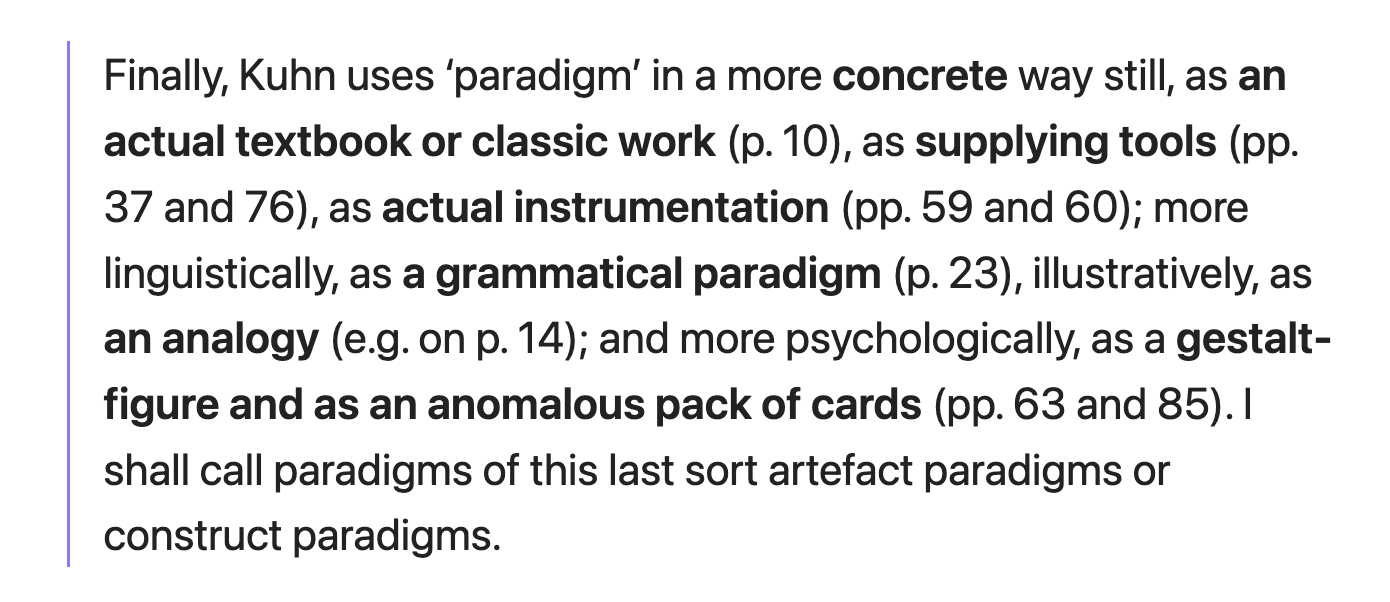
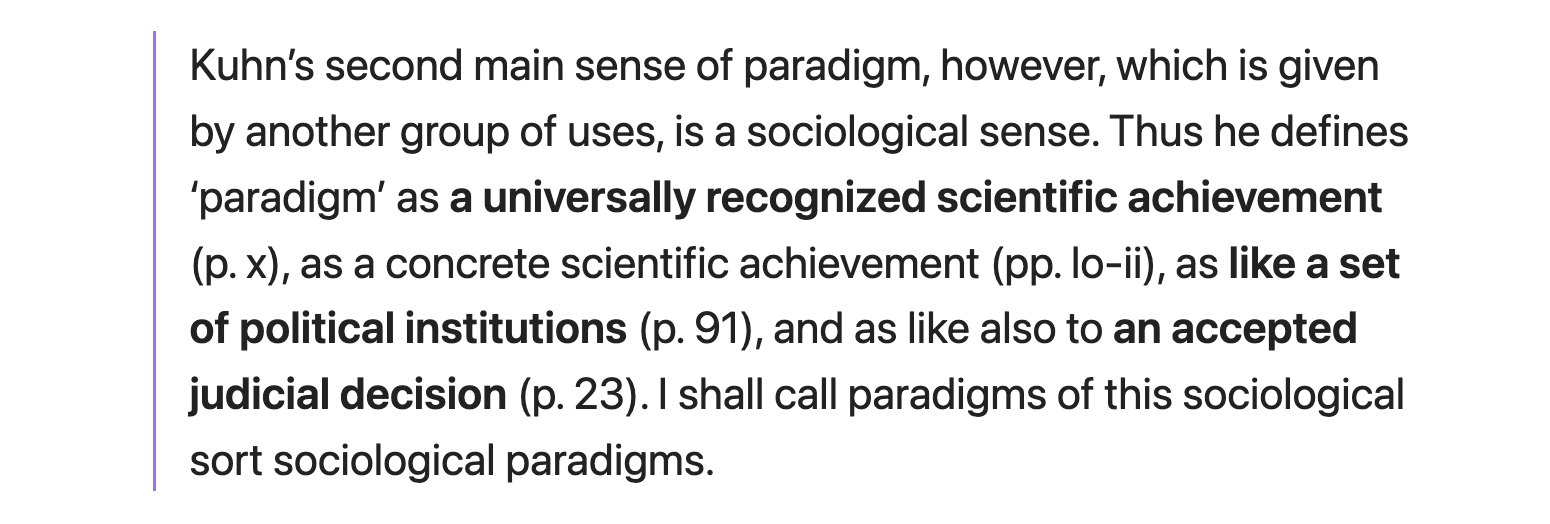
![For when \[Kuhn] equates ‘paradigm’ with a set of beliefs (p. 4), with a myth (p. 2), with a successful metaphysical speculation (p. 17), with **a. standard** (p. 102), with **a new way of seeing** (pp. 117-21), with **an organizing principle** governing perception itself, (p. 120), with **a map** (p. 108), and with something which determines a large area of reality (p. 128), it is clearly a metaphysical notion or entity, rather than a scientific one, which he has in his mind.
> – Margaret Masterman, [[Criticism and the Growth of Knowledge - Lakatos]], p. 65](https://media.mstdn.social/media_attachments/files/115/789/194/159/516/468/original/38639f0cec34ba21.png)
@atoponce Crap, this wasn’t supposed to be a response to you but a response to my https://mstdn.social/@marick/115789169818897537
News and community around mavnn.eu projects.