If you want to see some rousing volcanic activity, just check out the current live feed from Kīlauea. You might want to sit down first.
https://www.youtube.com/watch?v=tk0tfYDxrUA #science #nature #volcano
If you want to see some rousing volcanic activity, just check out the current live feed from Kīlauea. You might want to sit down first.
https://www.youtube.com/watch?v=tk0tfYDxrUA #science #nature #volcano
If you want to see some rousing volcanic activity, just check out the current live feed from Kīlauea. You might want to sit down first.
https://www.youtube.com/watch?v=tk0tfYDxrUA #science #nature #volcano
Note: not a geologist.
In the last few weeks there have been swarms of earthquakes on the mid-Atlantic ridge near Iceland. These aren't magma on the move, just tectonic strain being relieved as the plates stretch apart.
Now there's one going on under the tip of the Reykjanes peninsula.
I think within 2 weeks, this unzipping will reach where the full magma chamber near Grindavik has been looking for a way to empty itself.
I expect at least a magma intrusion.
Note: not a geologist.
In the last few weeks there have been swarms of earthquakes on the mid-Atlantic ridge near Iceland. These aren't magma on the move, just tectonic strain being relieved as the plates stretch apart.
Now there's one going on under the tip of the Reykjanes peninsula.
I think within 2 weeks, this unzipping will reach where the full magma chamber near Grindavik has been looking for a way to empty itself.
I expect at least a magma intrusion.
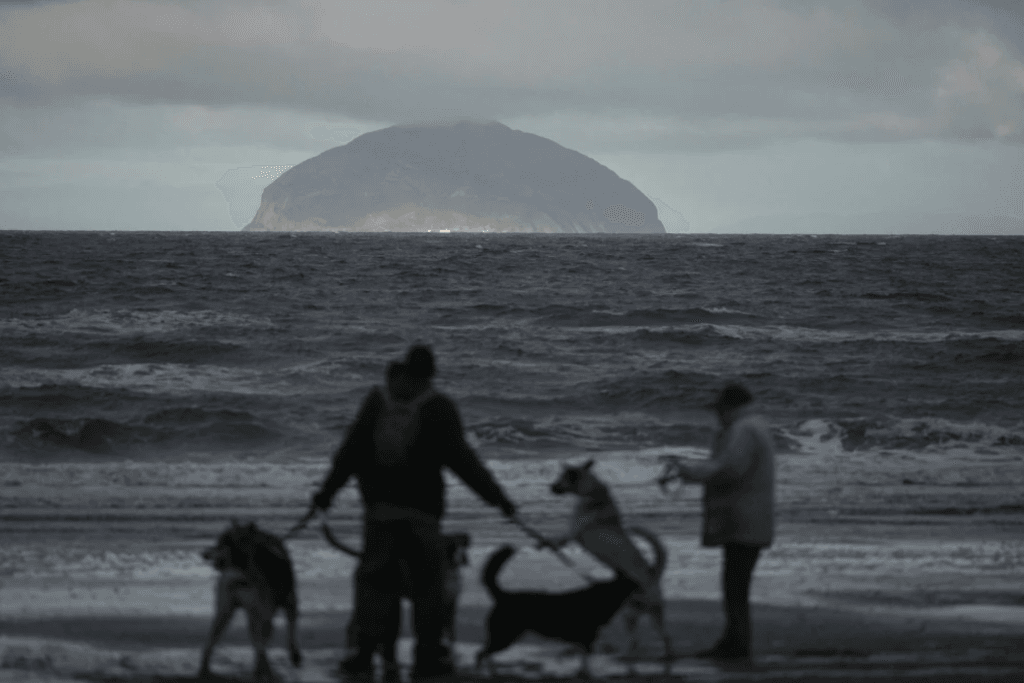
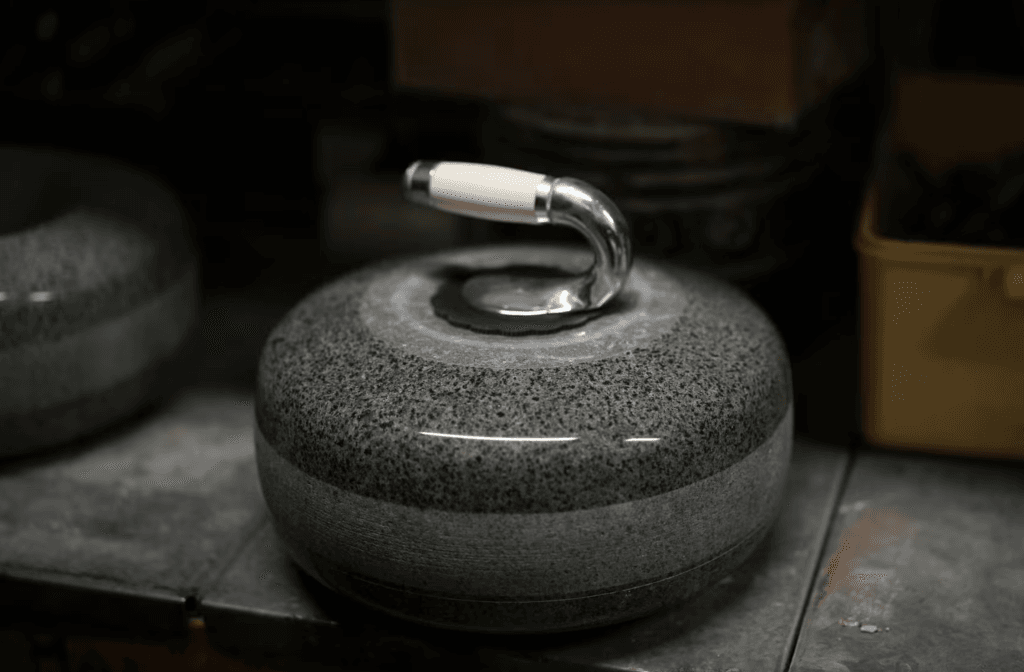
Ailsa Craig sits about 10 miles off the Scottish coast, a granite dome left behind by a volcanic event millions of years ago. This small, now-uninhabited crag is the birthplace for every Olympic curling stone. It’s where Kays of Scotland, which has made curling stones for the Olympics since the sport appeared in the first Winter Games in 1924, gets their granite.

Curling stones have to withstand both cold and collisions, something Ailsa’s microgranite excels at. Its elasticity keeps it from cracking, and Ailsa’s unique blue hone granite resists water absorption, so that freeze-thaw cycles don’t erode the surface. That waterproofing makes for the perfect running surface. It’s no wonder that the majority of curling stones in the world originate in Ailsa. (Image credit: A. Grant/AP; via AP)
#curling #fluidDynamics #milanocortina2026 #olympics #physics #science #volcano #WinterOlympicsAilsa Craig sits about 10 miles off the Scottish coast, a granite dome left behind by a volcanic event millions of years ago. This small, now-uninhabited crag is the birthplace for every Olympic curling stone. It’s where Kays of Scotland, which has made curling stones for the Olympics since the sport appeared in the first Winter Games in 1924, gets their granite.

Curling stones have to withstand both cold and collisions, something Ailsa’s microgranite excels at. Its elasticity keeps it from cracking, and Ailsa’s unique blue hone granite resists water absorption, so that freeze-thaw cycles don’t erode the surface. That waterproofing makes for the perfect running surface. It’s no wonder that the majority of curling stones in the world originate in Ailsa. (Image credit: A. Grant/AP; via AP)
#curling #fluidDynamics #milanocortina2026 #olympics #physics #science #volcano #WinterOlympics